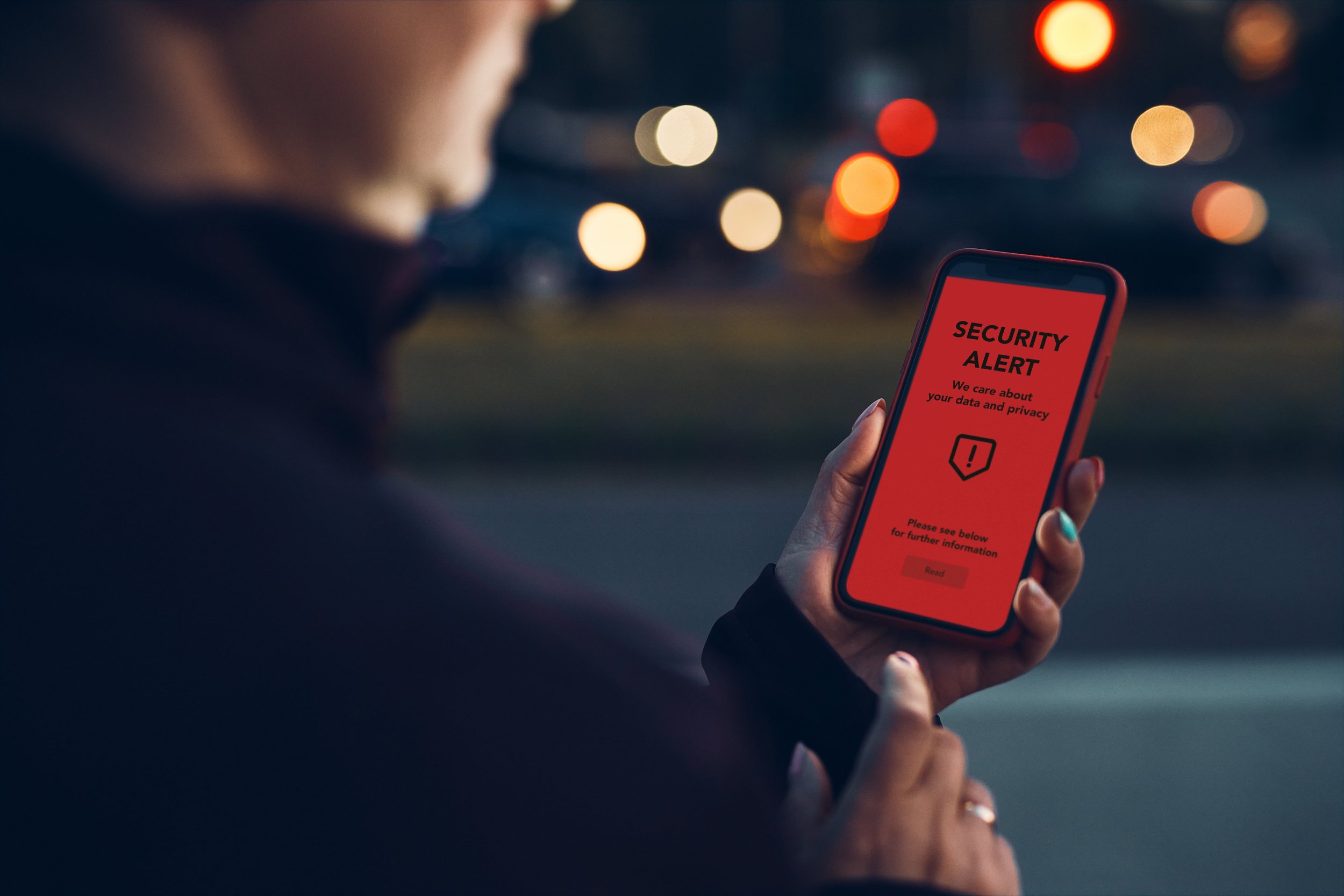
🚨 Stay Safe: How to Spot & Stop Fraud Calls
Fraudsters are getting smarter, but so are you! Scammers may pretend to be CME Federal Credit Union, law enforcement, Amazon, or other trusted sources to trick you. Stay one step ahead by recognizing their tactics:
🔴 Scam Tactic #1: Urgent Requests & Threats
Scammers create a false sense of urgency to make you act fast. They might say:
✅ “Your account is locked! Act now!”
✅ “There’s a warrant for your arrest!”
✅ “You owe money to Amazon—pay immediately!”
What to do: Hang up. CME and legitimate businesses will never pressure you with threats—even if the caller ID looks real.
🔴 Scam Tactic #2: Caller ID Spoofing
Scammers can manipulate caller IDs to display ‘CME Federal Credit Union’, ‘Law Enforcement’, and many other businesses and agencies.
What to do: Don’t trust the caller ID alone. If you’re unsure, hang up and call CME or the company directly using a verified number.
🔴 Scam Tactic #3: Asking for Personal Info
Scammers may say:
✅ “We need your debit card number and login info to unlock your account.”
🚫 CME will never call, text, or email you to request your personal or account information such as Digital Banking usernames, passwords, 2-Factor Authentication (2FA) codes, or identifying information (account or card numbers, expiration dates, CVV code, or PIN).
🔴 Scam Tactic #4: Requests for Money, Gift Cards, or Kiosks
A common scam involves urgent payment requests like:
✅ “Buy gift cards and read us the codes to fix this issue.”
✅ “Send us money through Zelle, CashApp, or Bitcoin…”
What to do: Legitimate businesses and agencies will never ask for payment this way. If someone does, it’s a scam. Be extra cautious of anyone urging you to make payments via any money terminal or Bitcoin kiosk.
✅ How to Stay Safe
✔️ Hang up and call the official source yourself.
✔️ Enable account alerts and monitor your transactions.
✔️ Report suspicious calls to CME.
Never be embarrassed to ask for help. If you think you've been targeted, call us right away. Your financial safety is our top priority!
📞 Need to verify a call? Contact us at 614-224-8890 or info@cmefcu.org.
The Resources to Keep Your Financial Information Safe
Identity theft is a growing problem. In difficult economic times, it will only get worse as perpetrators prey on people who are having a difficult time.
BE AWARE OF FRAUDSTERS
Never click on provided text or email links in any fraud alert you receive
Never share your online or mobile banking password. CME will never ask for this information
Never share your online or mobile banking username unless you have initiated the outreach to CME and know with 100% certainty that you are speaking with a CME representative
Do not respond to requests for personal or financial information like your Debit or Credit Card Number, your PIN or your Social Security Number
If you receive a suspicious text, email, or phone call, contact CME to confirm this communication is legitimate
If you believe you have responded to a fraudulent text or email or provided someone with your personal information, please contact CME immediately so we can help secure your membership
Member Care Center: (614) 224-8890
Toll-Free: (888) 224-3108
INTERNET FRAUD
Phishing typically involves a bogus e-mail message that seeks to look or sound legitimate—using official sounding language, or graphics and logos from a trusted organization—in an attempt to entice e-mail recipients to provide personal financial details, such as account information, credit card and Social Security numbers.
Take some simple precautions:
Never respond to an unsolicited e-mail that asks for personal financial information
Report anything suspicious to the proper authorities. Alert the credit union or government agency identified in the suspect e-mail through a web address or telephone number that you know is legitimate
Contact the Internet Crime Complaint Center at ic3.gov, a partnership between the FBI and the National White Collar Crime Center. If you think you have received a phishing e-mail or have been directed to a phishy-looking website
Do not respond to text messages that require personal or financial information. Report text messages directly to CME
*Please note a recent phishing scam regarding a CME data breach. CME will not ask members to click a hyperlink via email.
Check Your Credit Report
Your first indicator of trouble is likely to be your credit report. As you may know, there are three major credit reporting agencies, listed below. You are entitled to one free copy of your credit report each year from each of them. We encourage you to do so. To receive your free report, go to annualcreditreport.com.
Tip: Stagger your review every four months with a different bureau.
You can also contact the credit reporting bureaus directly through the numbers and links below:
Experian: call (888) EXPERIAN or visit experian.com
Equifax: call (800) 685-1111 or visit equifax.com
TransUnion: (800)-888-4213 or visit transunion.com
Additional Resources
PERSONAL INFORMATION RESOURCES
It’s a good idea to check on your non-credit-specific personal information, too. Here are a couple of places to look:

Register for this free service to understand your current credit score. Simply log into online banking and click Credit Score. Answer four quick enrollment questions and see your score!
Opt-Out Services
“Opting out” can help decrease the number of offers you receive, and your chances of a solicitation resulting in identity theft:
Direct Marketing Association
Mail Preference Services
PO Box 643
Carmel, NY 10512
the-dma.org
National Do Not Call Registry
Federal Trade Commission
600 Pennsylvania Avenue, N.W.
Washington, DC 20580
(888) 382-1222
donotcall.gov